Stockmarket Terms: Jigged Out

What does “Jigged Out” mean?
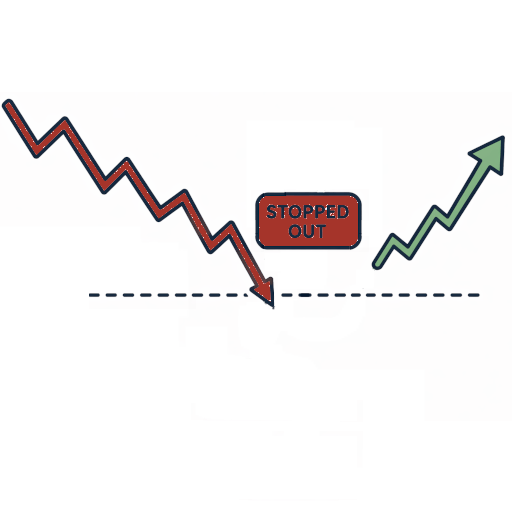
- A trader is forced or pressured into exiting a position
- Usually due to fear, volatility, or a short-term move
- Right before the price reverses in its original direction
In simple terms:
- You’re in the trade, the market moves against you (just enough to hurt)
- You exit, manually or via stop-loss
- Then… the market turns and does exactly what you expected
volatility = the jig
you = the one getting thrown out of the trade
When did it start being used?
Originates from trading desks/prop trading culture
Became more common with: Day trading, high-frequency environments, and online trading communities.
What’s happening?
“Jigged out” moments are rarely random they’re structural.
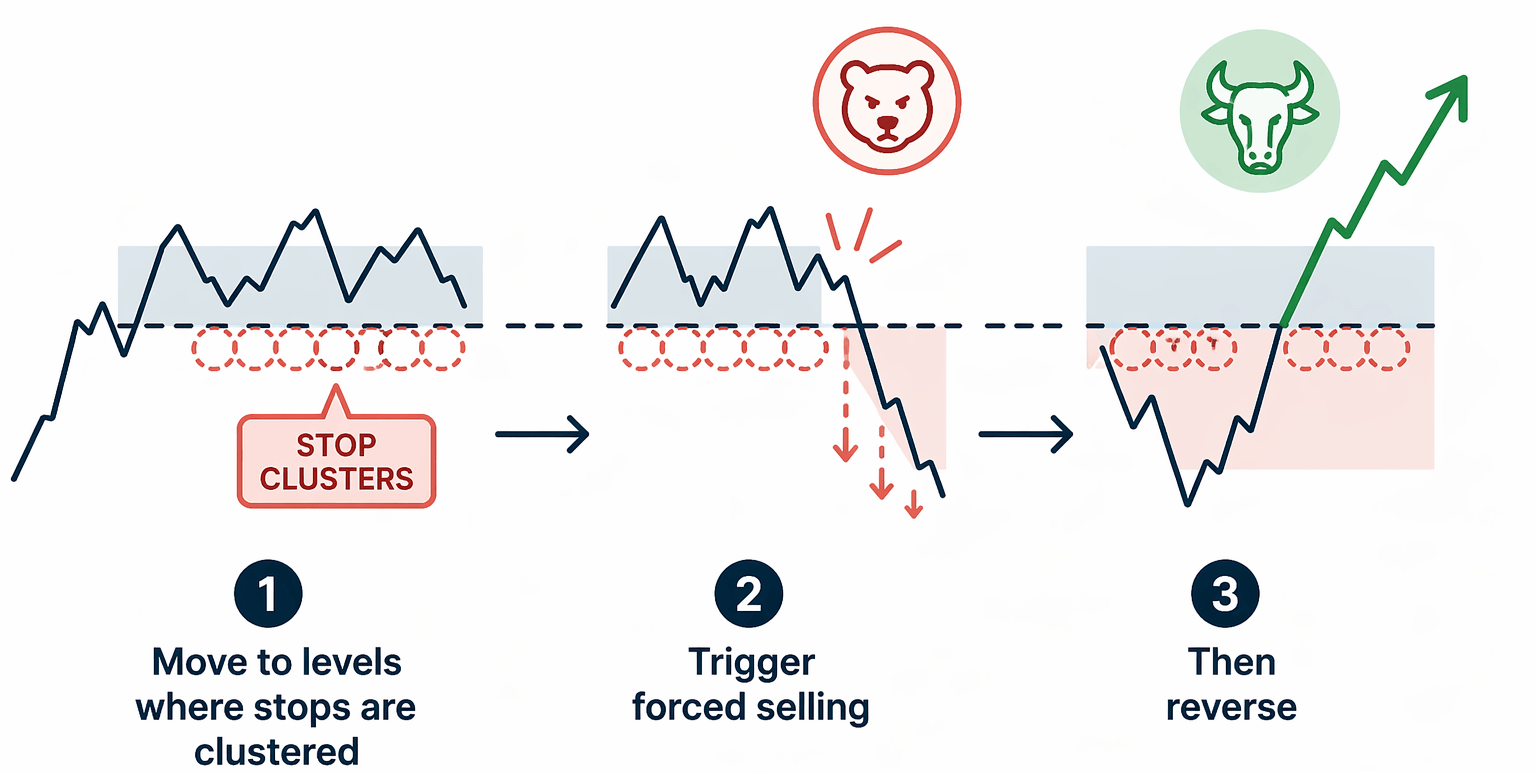
- Stop-loss hunting / liquidity grabs
Markets often: Move to levels where stops are clustered → trigger forced selling → then reverse
- Volatility vs conviction mismatch
- Your position size or risk tolerance is too tight
- The market’s normal movement shakes you out
- Leverage pressure
- Margin calls or tight risk limits
- Force exits at the worst time
The balanced takeaway
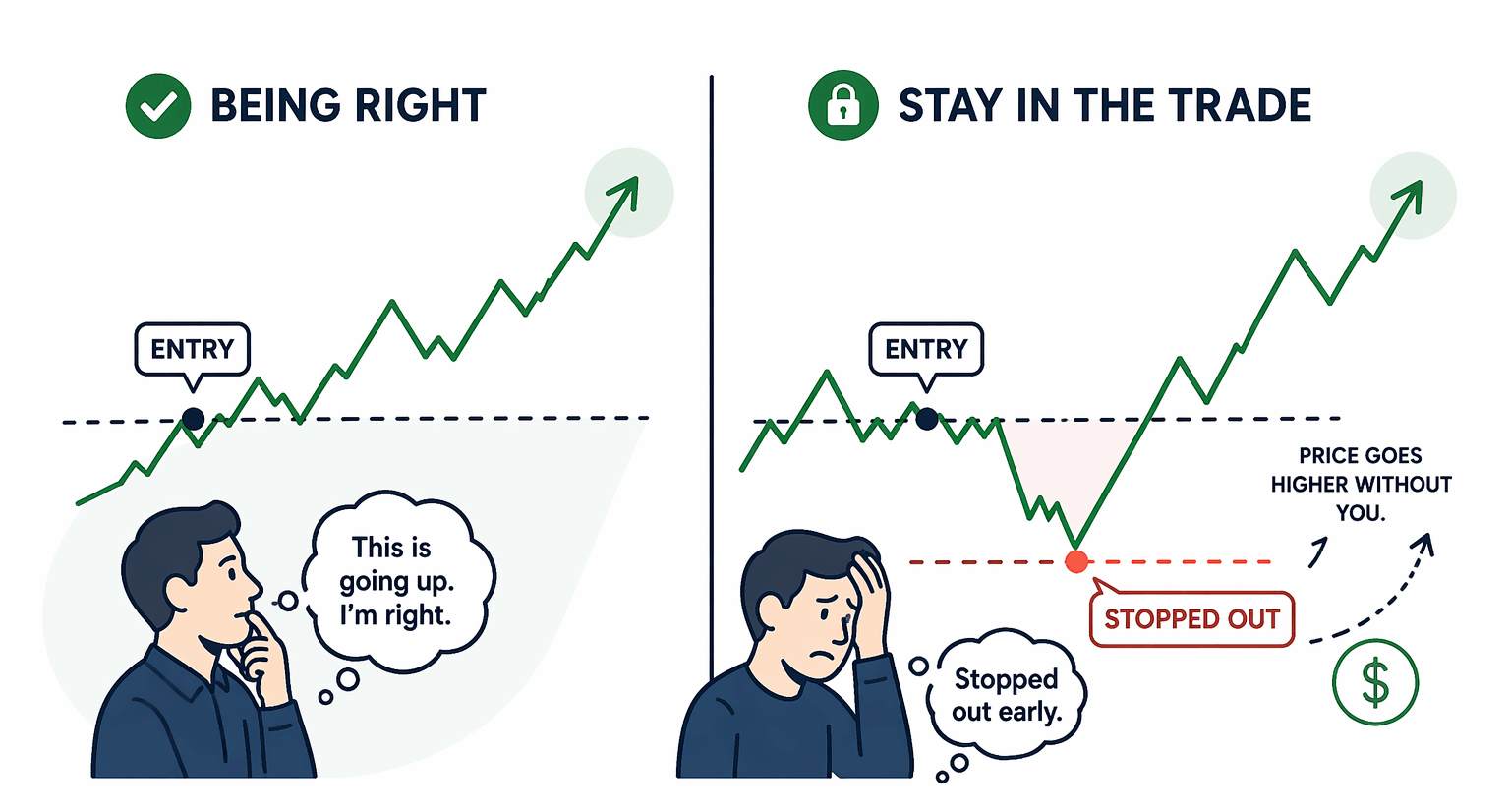
“Being right isn’t enough, you have to stay in the trade.”
For investors:
- Set risk levels that reflect real market volatility
- Don’t let short-term noise override long-term conviction
- Understand why you’re in the trade before you enter
Stockmarket Terms
Here is a collection of stock market terms, some you may already be familiar with, and others you may not have encountered before. Discover what they mean, explore their origins, and understand how they apply to what is happening in the market today.












What you learn here has been used in our Trade for Good software.
Click on the button to find our software education videos.
You can read more of our educational articles in the Trade for Good Learn section
Trade for Good Learn