Stockmarket Terms: Fat Finger
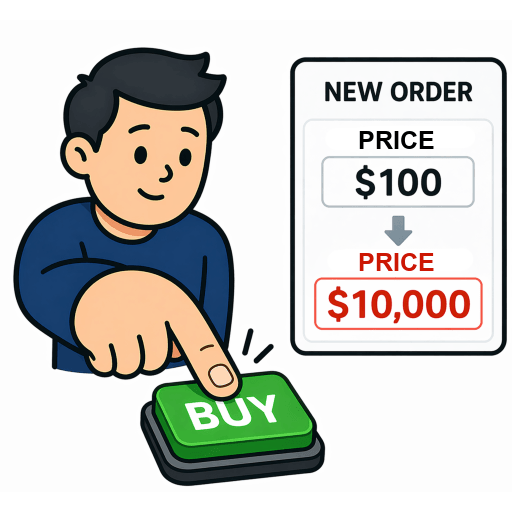
A “Fat Finger” is?
- A human error in entering a trade
- A typo (extra zero, wrong price, wrong side)
- What results in a large, unintended order
In simple terms:
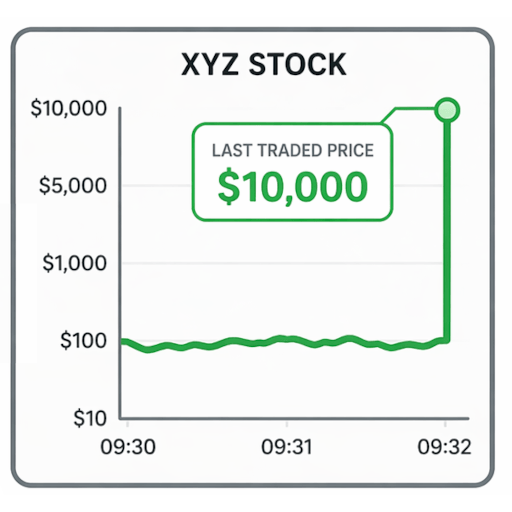
- You meant to buy $100 shares
- You entered $10,000 by mistake
Suddenly, you’ve placed a trade you never intended
That single mistake can:
- Move the market
- Trigger algorithms
- Cause a cascade of trades
Where does the term come from?
The idea of someone with “fat fingers” hitting the wrong keys on a keyboard. It’s a bit tongue-in-cheek, but it stuck because:
- Trading used to be highly manual
- Speed + pressure = mistakes
When did it start being used?
Originates from trading floors and early electronic trading systems
Became more prominent with:
- Keyboard-based trading
- Electronic order entry (1980s–2000s)
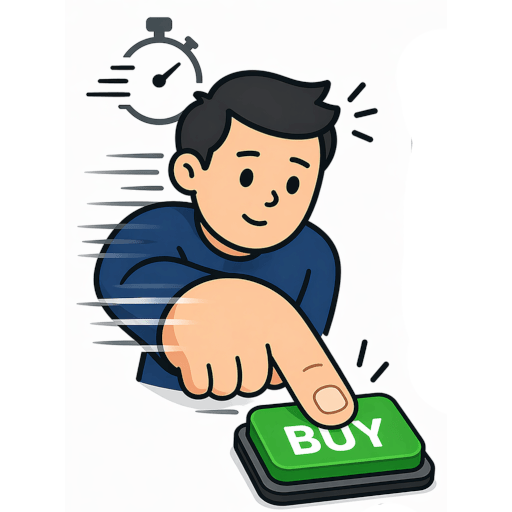
What’s happening?
A fat finger error can escalate quickly because of market structure.
1. Immediate execution
- Orders hit the market instantly
- No time to “take it back”
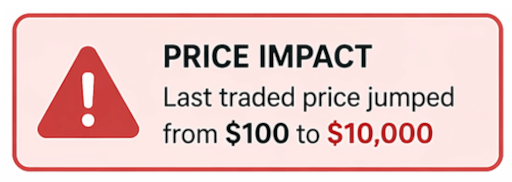
- Liquidity impact
Large incorrect orders:
- Sweep through order books
- Move price aggressively
- Algorithmic amplification
Other systems react:
- Momentum algos
- Market makers adjusting spreads
- Cascade effects
- Stop-losses triggered
- Margin calls triggered
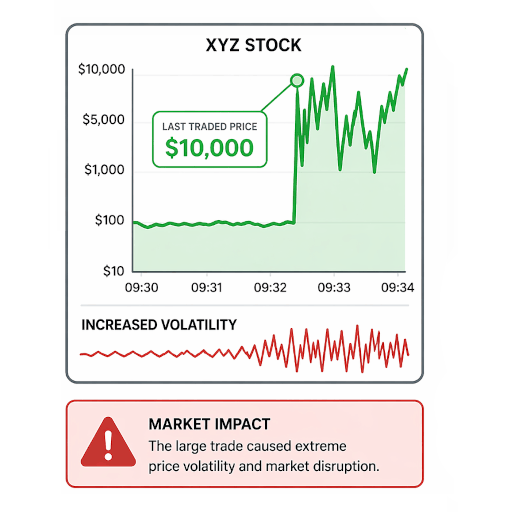
- Volatility spikes
Controls and protections
Modern markets have built safeguards:
- Order size limits
- Price collars / circuit breakers
- Pre-trade risk checks
- Kill switches


The balanced takeaway
“Markets move fast, but mistakes move faster.”
For traders:
- Double-check orders
- Use limits and controls
- Avoid rushing under pressure
Stockmarket Terms
Here is a collection of stock market terms, some you may already be familiar with, and others you may not have encountered before. Discover what they mean, explore their origins, and understand how they apply to what is happening in the market today.





What you learn here has been used in our Trade for Good software.
Click on the button to find our software education videos.
You can read more of our educational articles in the Trade for Good Learn section
Trade for Good Learn