10 Stupid Things to Avoid When Investing

A smarter approach to building long-term wealth
Investing doesn’t have to be rocket science — but it does take a bit of discipline.
Here’s the thing: most people don’t lose money because they’re not smart enough. They lose it because of emotions, impatience, and some pretty common misconceptions about how markets work. The good news? These mistakes are avoidable. Here are ten of the biggest ones to watch out for.

1. Investing Without a Plan
Jumping in without a strategy isn’t really investing — it’s just guessing with extra steps.
Markets go up and down every single day, and headlines can make everything feel urgent. Without a clear plan, it’s easy to buy when things feel exciting and panic-sell when they don’t. A solid investment plan keeps you anchored to what actually matters: your goals, your timeline, how much risk you can stomach, and how you’ll handle the bumps along the way.
A plan won’t make uncertainty disappear — but it’ll stop uncertainty from making your decisions for you.

2. Trying to Get Rich Quick
Fast money sounds great. It rarely works out that way.
Real, lasting wealth is built slowly — through patience, time, and the quiet magic of compounding. When people rush the process, they tend to take on too much risk, chase the latest hype, or worse, borrow money to invest. Leverage can boost your gains, sure — but it hits just as hard on the way down.
Think of investing like a long road trip, not a drag race.

3. Going With Your Gut
Your instincts might serve you well in a lot of situations. Investing isn’t usually one of them.
Our brains are wired in ways that work against us here — we get overconfident when things are going well, fearful when they’re not, and easily swayed by whatever’s trending in the news or on social media. Good investment decisions come from research, diversification, and a clear head — not from how you’re feeling on a given Tuesday.
Data beats mood, every time.

4. Putting All Your Eggs in One Basket
Even brilliant companies can have terrible years.
When you concentrate too much money in a single stock or sector, one bad piece of news — a regulatory change, a new competitor, an economic shift — can do serious damage. Spreading your investments across different companies, industries, regions, and asset types doesn’t guarantee you’ll never lose money, but it does mean one bad bet won’t sink the whole ship.
Diversification isn’t about being pessimistic. It’s about being smart.

5. Following the Crowd
When everyone around you is buzzing about a hot investment, it’s hard not to get swept up in it. But just because something is popular doesn’t mean it’s a good idea.
Your mate’s financial situation, risk tolerance, and goals are probably very different from yours. And by the time something is the talk of every dinner party and group chat, the price has usually already gone up — meaning you might be arriving just in time to buy at the peak.

6. Ignoring Fees
Fees look tiny on paper. Over decades, they’re anything but.
Because investing is all about compounding — your returns growing on top of previous returns — even a small annual fee can quietly chip away at your wealth over time. Brokerage fees, management fees, platform charges, transaction spreads — they all add up. And unlike market returns, fees are guaranteed.
Keeping costs low is one of the easiest wins available to any investor.

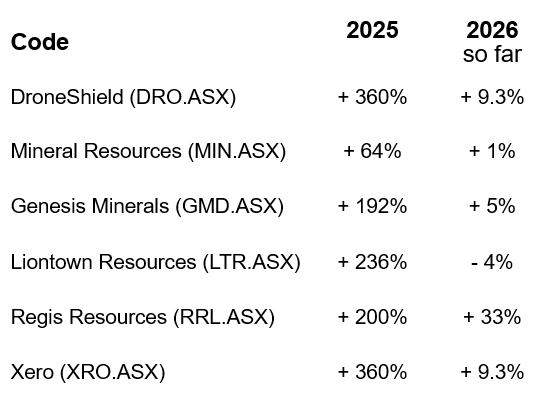
7. Chasing Last Year’s Winners
Seeing a fund or stock that returned 40% last year is tempting. But markets have a funny habit of humbling yesterday’s heroes.
When an investment gets hot, expectations get inflated — and inflated expectations often mean inflated prices. What goes up fast doesn’t always stay up. Strong long-term investing is less about following recent performance and more about focusing on the fundamentals underneath.
Past results are a rear-view mirror, not a windscreen.
8. Trying to Time the Market
Buying at the exact bottom and selling at the exact top sounds great in theory. In practice, it’s nearly impossible — even for the professionals who do this full time.
Market recoveries can be sudden and sharp. If you’re sitting on the sidelines waiting for the “perfect” moment to get back in, you can easily miss the days that matter most — and those missed days can seriously dent your long-term returns.
Consistency beats cleverness. Time in the market nearly always wins over timing the market.

9. Panicking When Things Get Rough
Market dips are stressful. They’re also completely normal.
Selling when prices fall might feel like damage control, but it usually just locks in your losses — and leaves you on the sidelines when the recovery kicks in. Volatility isn’t a sign that investing is broken; it’s actually part of how markets generate long-term returns.
The investors who tend to come out ahead are the ones who take a breath, zoom out, and stay the course.

10. Holding a Losing Investment Out of Hope
Patience is a virtue — but stubbornness isn’t.
Sometimes things change. A company’s fundamentals shift, an industry moves on, or a better opportunity comes along. Holding onto a losing position just because you don’t want to admit it didn’t work out can end up costing you more than just the original loss.
Great investors review their decisions honestly and know when it’s time to cut their losses and redeploy that capital somewhere more promising.

The Bottom Line
Nobody invests perfectly — that’s just not how it works. But avoiding these common mistakes puts you miles ahead of the average investor.
The goal is to build habits that support good long-term decisions: staying calm, thinking clearly, keeping costs low, and playing the long game. Do that consistently, and the results tend to take care of themselves.
Better decisions compound over time — just like returns.
What you learn here has been used in our Trade for Good software.
Click on the button to find our software education videos.
You can read more of our educational articles in the Trade for Good Learn section
Trade for Good Learn